New Boiler or Air Source Heat Pump in 2026?
Choosing how to heat your home in 2026 can feel confusing. With modern gas boilers still widely installed and air source heat pumps becoming increasingly popular, many homeowners in Goole and across East Yorkshire are unsure which option is right for them.
At Eco Future Heat, we specialise in both gas and oil boilers alongside renewable technologies like air source heat pumps. Serving Goole, Selby, Howden, and surrounding areas, we believe one thing above all else: the best heating system is the one that suits your property and circumstances – not the latest trend.
Quick Answer: There's No One-Size-Fits-All Solution
Both boilers and air source heat pumps remain excellent heating options in 2026. Your choice depends on your property type, insulation levels, budget, and how you use your home.
Modern gas boilers continue to work brilliantly for a wide range of UK properties, particularly older or harder-to-insulate homes. Air source heat pumps work exceptionally well for new builds, larger renovations, and properties with strong long-term energy efficiency needs.
What This Guide Covers
We'll examine both heating choices based on real-world performance, not sales pitches. This guide looks at:
- Key factors affecting your heating decision
- Running costs and efficiency comparisons
- Underfloor heating compatibility
- What makes sense for different property types
- Honest advice you can trust from local heating engineers
Why Modern Gas Boilers Still Make Sense
Despite what some headlines suggest, gas boilers haven't become obsolete. In fact, they remain the most practical and cost-effective heating solution for millions of UK properties.
Benefits of a New Boiler Installation
Lower Upfront Cost
A new condensing boiler costs significantly less to purchase and install than an air source heat pump system. For many homeowners, this makes boilers the accessible choice for heating upgrades.
Works With Existing Radiators
Modern boilers are compatible with your current radiators and pipework, making installation far less disruptive than a full system change. Whether you need a repair, replacement, or upgrade to a combi boiler, the work is relatively straightforward.
Reliable Performance
Gas boilers provide hot water on demand and deliver consistent, powerful heating even during the coldest winter weather. They're well-understood technology with a proven track record.
Efficient Technology
Today's condensing boilers are dramatically more efficient than older models – typically achieving 90%+ efficiency ratings. This translates to lower energy bills and reduced carbon emissions compared to systems over 10-15 years old.
Less Planning Required
Installation is usually straightforward, doesn't require extensive property modifications, and can often be completed in a single day with minimal disruption to your household.
When a Boiler Is the Right Choice
A modern gas boiler may be your best option if you have:
- An older property that's challenging or expensive to insulate to modern standards
- Existing radiators and pipework in good condition
- A property connected to mains gas
- Limited budget for upfront heating system costs
- Smaller living spaces where radiators provide adequate heating
Why Air Source Heat Pumps Are Growing in Popularity
Air source heat pumps represent the future direction of home heating, offering renewable heating that significantly reduces carbon emissions when installed correctly.
Benefits of Air Source Heat Pumps
Renewable Energy Source
Heat pumps extract warmth from outdoor air, making them a renewable heating technology that reduces your carbon footprint. They're a long-term solution aligned with the UK's net-zero goals.
Exceptional Efficiency
For every unit of electricity consumed, heat pumps can deliver 3-4 units of heat. This makes them highly efficient, especially in well-insulated properties.
Lower Running Costs (In the Right Property)
In homes with excellent insulation and larger radiators or underfloor heating, heat pumps can offer lower running costs than gas boilers, particularly as electricity becomes greener and gas prices remain volatile.
Long Lifespan
When correctly maintained and installed by qualified engineers, air source heat pumps can last 20+ years, offering reliable heating well into the future.
Future-Proofed
As renewable energy grows and government policy shifts away from fossil fuels, heat pump installations position your property ahead of potential future regulations.
Government Grants Available
The Boiler Upgrade Scheme currently offers £7,500 towards air source heat pump installations, significantly reducing upfront costs for eligible homeowners.
When a Heat Pump Is the Right Choice
An air source heat pump may be your best option if you have:
- A new build or extensively renovated property with modern insulation standards
- Underfloor heating or large radiators suitable for lower temperature heating
- No access to mains gas (particularly relevant in rural East Yorkshire)
- Budget for higher upfront costs or eligibility for government grants
- Strong commitment to reducing your property's carbon emissions
- Willingness to consider changes to your heating system and potentially radiators
Key Factors to Consider for Your Property
Insulation Standards
Your property's insulation is crucial. Heat pumps run steadily at lower temperatures, requiring excellent insulation to heat your home effectively. Older properties with solid walls, single glazing, or poor loft insulation may struggle with heat pump performance unless significant improvements are made first.
Modern boilers, by contrast, deliver higher temperature heat that can compensate for less-than-perfect insulation.
Radiator Compatibility
Heat pumps typically require larger radiators or underfloor heating to distribute lower-temperature heat effectively. Your existing radiators may need upgrading or replacing.
Boilers work perfectly with standard radiators, making them ideal if you want to keep your current heating distribution system.
Space and Installation Requirements
Air source heat pumps require:
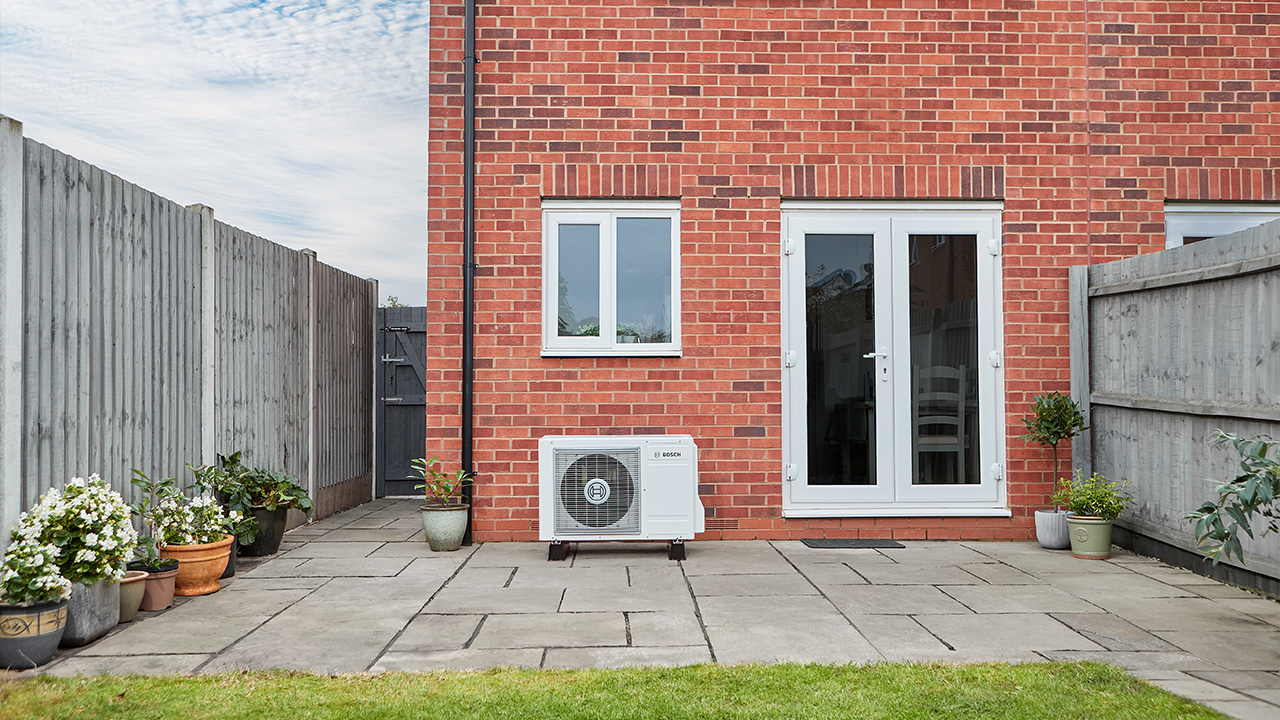
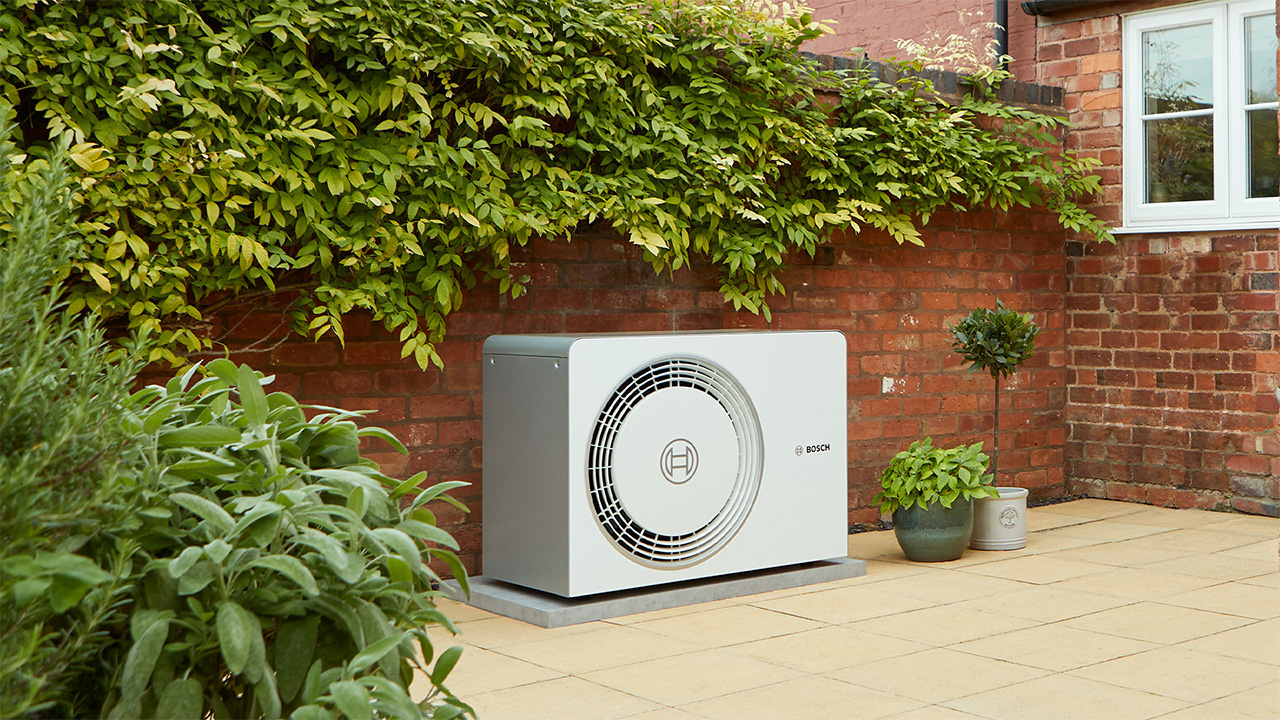
- An outdoor unit (roughly the size of a large air conditioning unit)
- Space around the unit for airflow
- Potential planning permission in some circumstances
- More extensive pipework modifications
Boiler installations are generally:
- More compact (internal unit only)
- Easier to fit in existing spaces
- Less invasive to install
- Faster to complete
Running Costs vs Upfront Investment
Boilers offer lower purchase and installation costs (typically £2,000-£3,500 for a quality system boiler or combi). Running costs depend on gas prices but are predictable and manageable for most households.
Heat pumps require higher upfront investment (£7,000-£14,000 before grants), but can offer lower running costs in well-insulated properties with suitable heating systems and favourable electricity tariffs.
Ongoing Maintenance
Both systems require annual servicing, but the requirements differ:
Boilers need annual gas safety checks and servicing, which is straightforward and widely available from qualified Gas Safe engineers.
Heat pumps require annual servicing from qualified heat pump engineers. While generally reliable, specialist knowledge is essential for maintenance and repairs.
Is Renewable Heating Always Better?
Here's an honest truth: renewable doesn't automatically mean "better" for every property and situation.
Whilst air source heat pumps dramatically reduce direct carbon emissions, their effectiveness depends entirely on proper installation in a suitable property. A poorly matched or incorrectly installed heat pump can be inefficient, uncomfortable, and expensive to run.
Conversely, a modern A-rated gas boiler in a well-maintained system provides excellent efficiency, manageable running costs, and proven reliability – making it genuinely the best choice for many existing UK homes.
The "greenest" heating system is the one that works efficiently for your specific property and circumstances.
Local Expertise You Can Trust Across East Yorkshire
At Eco Future Heat, we don't push one heating technology over another. As both Worcester Bosch Accredited Installers and specialists in air source heat pumps, we're uniquely positioned to give you honest, unbiased advice tailored to your property's specific needs.
Serving Goole, Selby, Howden, Gilberdyke, North Cave, South Cave, and surrounding East Yorkshire areas for over 10 years, we've installed and maintained both boilers and heat pumps across hundreds of properties. We understand local housing stock, from Victorian terraces to modern new builds.
Our approach is simple: we assess your property, discuss your priorities and budget, then recommend the heating solution that genuinely makes sense for you – not the one that makes us the most profit.
What Happens Next?
Whether you're leaning towards a modern boiler or exploring air source heat pumps, the first step is a proper assessment of your property and heating needs.
We offer free, no-obligation consultations where we'll:
- Assess your property's insulation and heating requirements
- Examine your existing radiators and pipework
- Discuss your budget and long-term plans
- Explain the realistic costs and benefits of both options
- Provide a clear, honest recommendation based on your specific circumstances
Professional Installation With Full Accreditation
Whichever heating system you choose, professional installation is essential:
For Boilers:
- Worcester Bosch Accredited Installers
- Baxi Approved Installers
- Gas Safe Registered
- 12-year guarantees on Worcester Bosch installations
For Heat Pumps:
- MCS certified renewable energy installers
- Boiler Upgrade Scheme approved
- Specialist heat pump training and experience
- Long-term performance guarantees
All our installations come with £5 million public liability insurance, professional service, and a tidy, respectful approach to working in your home.
Finance Options Available
We understand that heating system upgrades represent a significant investment. That's why we offer flexible finance options to help spread the cost, making it easier to upgrade to efficient, reliable heating without the financial strain of a large upfront payment.
Get Clear, Honest Advice for Your Property
Stop feeling confused about boilers vs heat pumps. Get straightforward guidance from local heating experts who'll tell you the truth about what works best for your East Yorkshire home.
📞 Call us: 01405 497497 or 07849 560370
📧 Email: info@ecofutureheat.com
🌐 Visit: ecofutureheat.com
Follow us on Facebook, Instagram, and TikTok @ecofutureheat for more heating advice, energy-saving tips, and honest product reviews.
Let's help you make the right heating choice for your home – based on facts, not hype.